How much sleep adults really need: 7 to 9 hours, and why
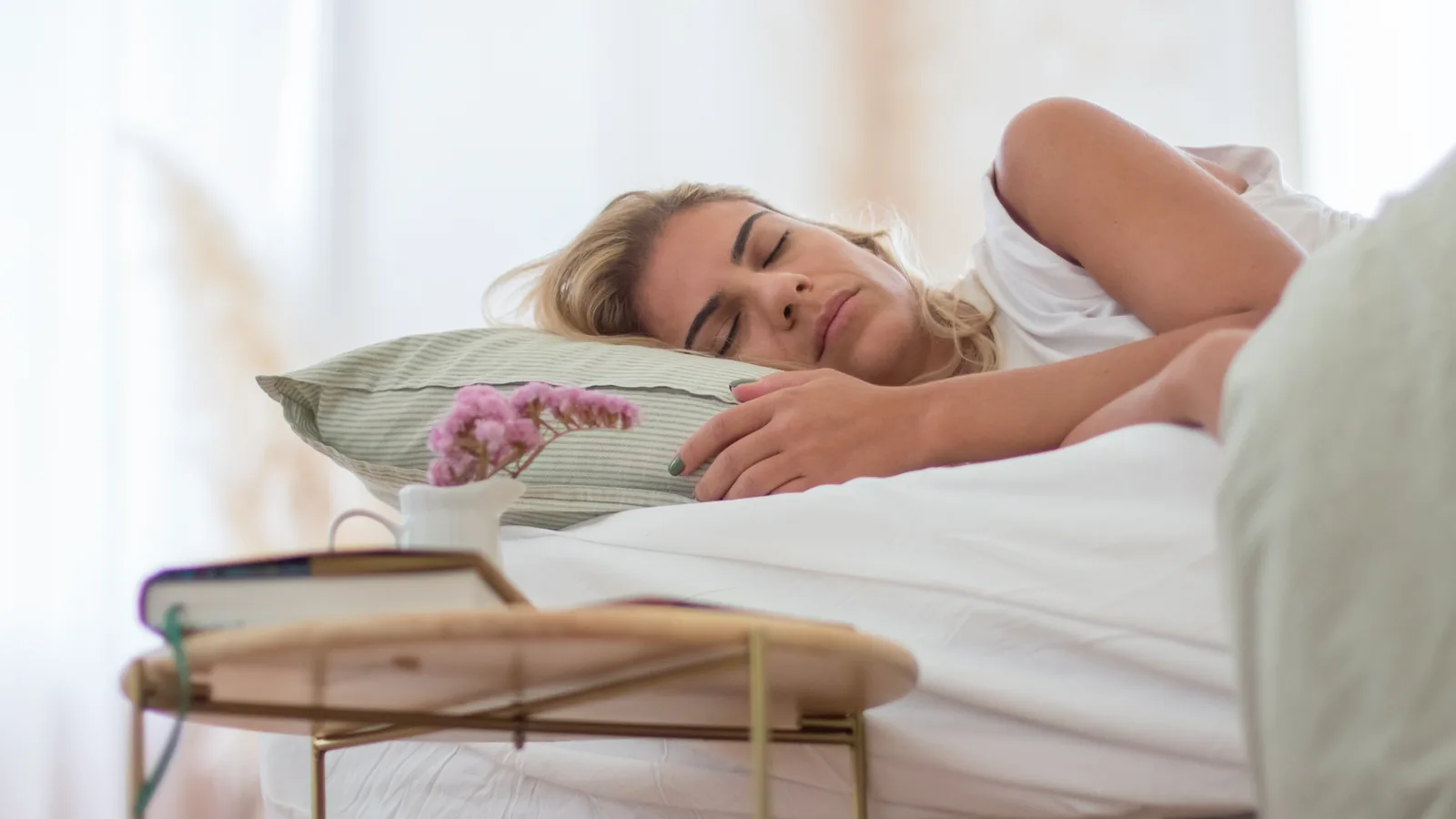
Most adults need 7 to 9 hours of sleep in every 24, and the lower end of that range matters more than the upper end. The NHS and the US National Heart, Lung, and Blood Institute both give 7 to 9 hours, and in 2015 a panel of 15 sleep scientists, working from a literature search of 5,314 papers, agreed that adults aged 18 to 60 should sleep 7 hours or more on a regular basis. In a UK Biobank analysis of adults aged 38 to 73, memory, attention and mood were best at around 7 hours a night.
What the guidelines say
The NHS puts the adult need at 7 to 9 hours a night, with 9 to 13 hours for children and 12 to 17 hours for toddlers and babies. The US National Heart, Lung, and Blood Institute (NHLBI) uses the same 7 to 9 hour range and adds two qualifications: adults who sleep less than 7 hours tend to have more health problems, and sleeping more than 9 hours is not necessarily harmful.
The most carefully documented figure comes from a joint consensus statement of the American Academy of Sleep Medicine and the Sleep Research Society, published in the journal Sleep in 2015. A panel of 15 sleep scientists worked for 12 months using a modified RAND Appropriateness Method. Their literature search produced 5,314 scientific articles, and the panel weighed the evidence in 9 health categories: general health, cardiovascular health, metabolic health, mental health, immune function, human performance, cancer, pain and mortality. The recommendation for adults aged 18 to 60 is short: sleep 7 or more hours per night on a regular basis.
The panel listed what regularly sleeping less than 7 hours is associated with: weight gain and obesity, diabetes, high blood pressure, heart disease and stroke, depression and a higher risk of death, plus weaker immune function, more pain, more errors and more accidents. It set no upper limit. More than 9 hours may be appropriate for young adults, people paying back a sleep debt and people with an illness; for everyone else the panel called the risk of long sleep uncertain. A consensus statement is expert judgement, not a trial.
| Age group | Recommended sleep per 24 hours | Who says so | Note |
|---|---|---|---|
| Babies, 4 to 12 months | 12 to 16 hours, naps included | NHLBI | Sleep is spread across day and night |
| Children, 1 to 2 years | 11 to 14 hours, naps included | NHLBI | NHLBI regards naps as appropriate for children under 7 |
| Children, 3 to 5 years | 10 to 13 hours, naps included | NHLBI | The NHS gives 9 to 13 hours for children as a whole |
| Children, 6 to 12 years | 9 to 12 hours | NHLBI | Naps usually stop in this band |
| Teenagers, 13 to 18 years | 8 to 10 hours | NHLBI | Still above the adult minimum; 7 hours is short at 16 |
| Adults, 18 to 60 years | 7 hours or more | AASM and SRS consensus, 2015 | 15 experts, literature search of 5,314 papers, no upper limit set |
| Adults, all ages | 7 to 9 hours | NHS, NHLBI | More than 9 hours is not necessarily harmful (NHLBI) |
What the large studies found
The mortality figures behind most sleep advice come from a 2010 meta-analysis in the journal Sleep by Cappuccio and colleagues. They pooled 16 prospective studies, 27 cohort samples in all, with 1,382,999 men and women followed for between 4 and 25 years, during which 112,566 people died. Short sleepers, commonly under 7 hours a night and often under 5, had a 12% higher risk of death over the follow-up than people sleeping 7 to 8 hours (relative risk 1.12, 95% confidence interval 1.06 to 1.18). Long sleepers, commonly over 8 or 9 hours, had a 30% higher risk (relative risk 1.30, 1.22 to 1.38). Each pooled study set its own cut-off, so neither group maps neatly onto the 7 to 9 hour advice. The curve is U-shaped, with the lowest risk in the middle.
Thinking skills tell a similar story. In 2022, researchers from Fudan University and the University of Cambridge published an analysis in Nature Aging using the UK Biobank, a cohort of about 500,000 adults who were aged 38 to 73 when recruited. Across measures of processing speed, attention, memory and problem solving, and across symptoms of anxiety and depression, the relationship with sleep was nonlinear, with about 7 hours a night as the optimum. The brain regions most involved included the hippocampus, a structure central to memory. At follow-up years later, both insufficient and excessive sleep at the start were linked to a decline in cognition, and people whose sleep duration changed most between the two assessments also scored worse. It did not see single nights, but a steady 7 hours appears to beat an average of 7.
Both studies are observational, so they show association rather than cause. Sleep was self-reported by questionnaire, and people estimate their own sleep poorly. The long-sleep signal in particular needs care: depression, chronic illness, inactivity and untreated sleep disorders all lengthen time in bed, and any of them could explain a higher death rate without long sleep itself doing harm. The Nature Aging participants were 94% white, so the exact optimum may differ elsewhere. The evidence against regularly sleeping less than 7 hours is broader and more consistent than the evidence against sleeping 9 or 10.
How to find your own number
The range is 7 to 9 hours because people differ, and no guideline can tell you whether you are a 7 hour or an 8.5 hour person. A 14 night diary answers that better than a guess: note when you went to bed, when you woke, whether an alarm woke you, any naps, and how alert you felt mid-afternoon. If you sleep markedly longer on free nights and the alarm wakes you every working day, you are carrying a debt.
Enough sleep looks undramatic: you wake shortly before the alarm on most days and do not fight to stay awake mid-afternoon. The 2015 panel listed impaired performance, more errors and more accidents; in daily life that shows as slower reactions, dozing off in front of the television, and a growing reliance on caffeine. If you recognise those, add 30 minutes to your nightly sleep for 2 weeks and repeat the diary before deciding.
NHS timing advice makes the planned hours more likely to happen. Relax for at least 1 hour before bed, keep the bedroom dark and quiet, and avoid tea, coffee and other caffeine for at least 6 hours before bedtime. Finish hard exercise at least 4 hours before bed, although daytime activity helps sleep. Get up at the same time every day, including weekends, go to bed when you are sleepy rather than at a fixed hour, and if you struggle at night, skip daytime naps. Your body clock matters too; estimate it with the Chronotype Finder; our guides on caffeine timing and screens in the evening cover the two habits that most often eat into the 7 hours.
Does the need change with age
Children and teenagers need more than adults: the NHLBI gives 8 to 10 hours for teenagers aged 13 to 18 and 9 to 12 hours at 6 to 12 years. A 16 year old sleeping 7 hours on school nights is short by the guideline.
For adults, the need does not fall away with age as many assume. The NHS and the NHLBI give one range, 7 to 9 hours, with no upper age cut-off; the 2015 consensus covers ages 18 to 60, and the UK Biobank analysis reached age 73 and still found the optimum at around 7 hours. What changes with age is the pattern rather than the requirement: sleep tends to become lighter and more broken. Neither the NHS nor the NHLBI sets a separate figure for people over 65; if you sleep 6 hours and are tired all day, the number is too low for you.
Some situations legitimately push the need above 9 hours for a while, and the NHLBI names the same three as the 2015 panel: young adults, people paying back sleep debt and people who are ill. There its reassurance about longer sleep applies. If you are pregnant and tired through the day, raise that with your midwife or doctor rather than treating a longer night as the fix. What should prompt a conversation with your doctor is long sleep combined with persistent tiredness, because that pairing is more often a symptom than a preference.
When to see a doctor
The NHS advises seeing a GP if changing your sleep habits has not helped, if the trouble has lasted for months, or if poor sleep makes daily life hard to cope with. The NHS treats persistent insomnia with cognitive behavioural therapy, face to face or digital; a sleep clinic referral is for suspected disorders such as sleep apnoea, and sleeping tablets are prescribed for days or weeks at most, when insomnia is very bad or other treatments have failed. If you snore loudly or wake gasping, say so, because quality is then the problem rather than amount. Book an appointment too if you are sleepy through the day after 7 to 9 hours in bed, or if you fight sleep at the wheel, which the NHS says you should never do: sleepiness that survives enough time in bed points at a disorder such as sleep apnoea rather than at short nights.
A few groups should not self-manage on a general 7 to 9 hour rule. If you take medication for blood pressure, depression, diabetes or a heart condition, several of these can change sleep, and you should not stop or move doses without asking your prescriber. Teenagers aged 13 to 18 belong in the 8 to 10 hour band, and younger children need more. If long sleep has arrived together with low mood, loss of interest or weight change, mention all of it to your GP; the NHLBI recommends a doctor's visit whenever you are concerned about sleeping too little or too much.
A 14-night sleep check
- Note bedtime, wake time, naps and whether an alarm woke you, every day for 14 nights
- Work out your average on work nights and on free nights; a large gap points to a weekday debt
- Count the mornings you woke before the alarm; fewer than half suggests you need more
- Rate your alertness at 3 pm each day; regular dozing off is a warning sign
- Stop caffeine at least 6 hours before bed and hard exercise at least 4 hours before
- Keep the same wake time all 7 days, including weekends
- If you sleep more than 9 hours and still feel tired after 2 weeks, book a GP appointment
Frequently asked
Is 6 hours of sleep enough for an adult?
For most adults, no. The 2015 consensus panel of 15 sleep scientists set 7 hours as the lower limit for ages 18 to 60, and the NHS and NHLBI both give 7 to 9 hours. If you need an alarm every morning and doze off in the afternoon, 6 hours is too little for you.
Do older adults need less sleep?
Neither the NHS nor the NHLBI lowers the number with age: both give 7 to 9 hours for adults with no upper age cut-off, and the UK Biobank analysis found about 7 hours best for people aged 38 to 73. Sleep often becomes lighter and more broken with age, but the need does not disappear.
Is sleeping more than 9 hours bad for you?
Not necessarily. In a 2010 meta-analysis of 1.38 million people, long sleepers, commonly over 8 or 9 hours a night, had a 30% higher risk of death than people sleeping 7 to 8 hours, but sleep was self-reported and illness often lengthens sleep, so the link may not be causal. The NHLBI says more than 9 hours can be helpful when recovering from sleep loss or illness; if you regularly need it and still feel tired, see a doctor.
Can I catch up on sleep at the weekend?
Partly. Longer sleep helps when paying back a short-term debt, which the NHLBI and the 2015 panel both acknowledge. But the UK Biobank study also linked a change in sleep duration between its assessments to poorer scores, so a steady 7 hours is a better aim than short nights and long catch-ups.
Do naps count towards the total?
For children under about 7, yes, and the NHLBI recommendations for young children include naps. For adults the guidelines count night sleep, and the NHS advises people with insomnia not to nap in the daytime because it makes falling asleep at night harder.
When should I see a doctor about sleep?
The NHS advises a GP visit if habit changes have not helped, if the problem has lasted months, or if it makes daily life hard to cope with. Go sooner if you snore loudly, wake gasping or feel sleepy through the day despite enough time in bed, because a sleep clinic referral covers disorders such as sleep apnoea. Cognitive behavioural therapy is the treatment offered for insomnia; sleeping tablets are used for days or weeks at most, when insomnia is very bad or other treatments have failed.
Sources
- NHLBI (NIH): How much sleep is enough? · Adults 7 to 9 hours; ranges for babies, children and teenagers; more than 9 hours not necessarily harmful
- NHS: Insomnia · Adults 7 to 9 hours, children 9 to 13, babies 12 to 17; self-help timing rules; when to see a GP; CBT as treatment
- Watson et al. 2015, Sleep: Recommended amount of sleep for a healthy adult, joint consensus statement of the American Academy of Sleep Medicine and Sleep Research Society · 15 experts, modified RAND Appropriateness Method, 5,314 articles, 9 health categories; 7 or more hours for ages 18 to 60
- Cappuccio et al. 2010, Sleep: Sleep duration and all-cause mortality, a systematic review and meta-analysis of prospective studies · 16 studies, 27 cohorts, 1,382,999 participants, 112,566 deaths; short sleep RR 1.12, long sleep RR 1.30, both against a reference of 7 to 8 hours; short was commonly under 7 hours and long over 8 or 9; self-reported sleep
- Li et al. 2022, Nature Aging: The brain structure and genetic mechanisms underlying the nonlinear association between sleep duration, cognition and mental health · UK Biobank, 498,277 adults aged 38 to 73, 94% white; about 7 hours optimal; sleep variability measured as change between baseline and imaging follow-up; abstract open, full text behind a paywall
Read on
 Life
Caffeine: when the last cup should be
Life
Caffeine: when the last cup should be
 Life
Screens in the evening and sleep: what the studies found
Life
Early bird or night owl: what your chronotype means
Life
Screens in the evening and sleep: what the studies found
Life
Early bird or night owl: what your chronotype meansTools that fit
This guide is for general information. It does not replace medical advice or an examination.