120 minutes in nature a week: the threshold and the ceiling
In 19,806 adults in England, the link with good health began at 120 minutes a week in nature and peaked near 200 to 300. What counts, and ho
8 min readVitista is an editorial portal about the things that add healthy years: how you move, what you eat, how you sleep, who you spend time with and how much of the week you spend outside. 13 interactive tools turn the reading into something you can try on yourself, and every result becomes a picture you can share.
Licensed footage
Each pillar starts with a small exercise you can do right here, then hands over to the full tool and its shareable card.
A 90-year life is about 4,680 weeks. Enter your birth year and see how many of them are behind you, and how many summers are still ahead if you live to 85.
The full Life in Weeks tool draws every week as a square, remembers your birth date and turns the grid into a picture.
Open Life in WeeksPeople who spend at least 120 minutes a week in natural surroundings are markedly more likely to report good health and high wellbeing. It can be one long walk or six short ones.
The Nature Dose Planner spreads the minutes across the week and shows you the smallest change that reaches the dose.
Open the Nature Dose PlannerCaffeine has a half-life of about 5 hours. A filter coffee of 95 mg at three in the afternoon still leaves roughly 31 mg in the body at eleven at night. Pick the time of your last cup.
The Caffeine Clock adds every drink of the day, draws the curve and tells you when you drop below 50 mg.
Open the Caffeine ClockThe guides and tools on this portal sort into five fields. Together they cover most of what the research on long, good lives keeps coming back to.
 01
01
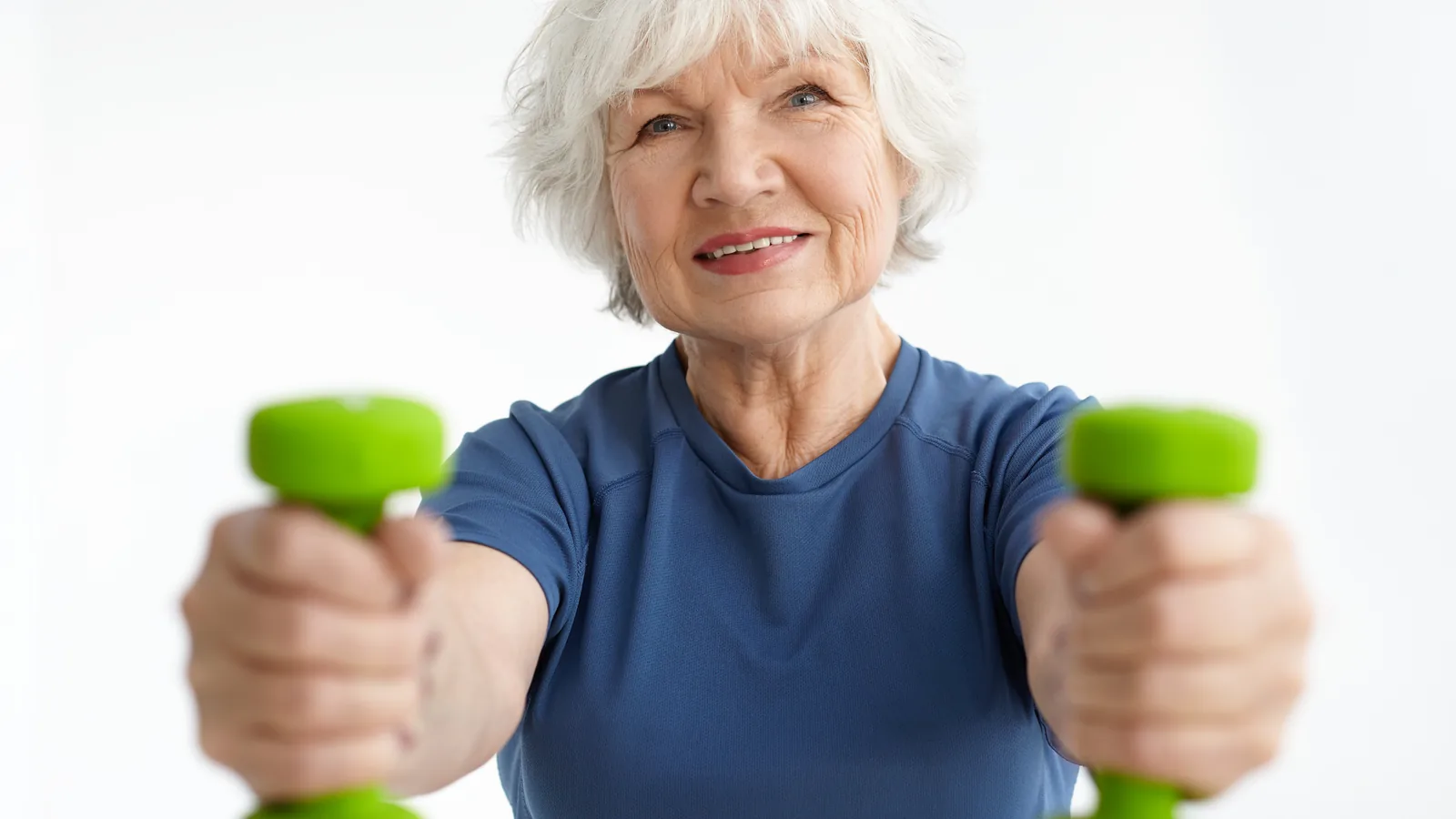
Sleep, pulse, blood pressure, steps and strength: numbers you can measure at home.
Read the guides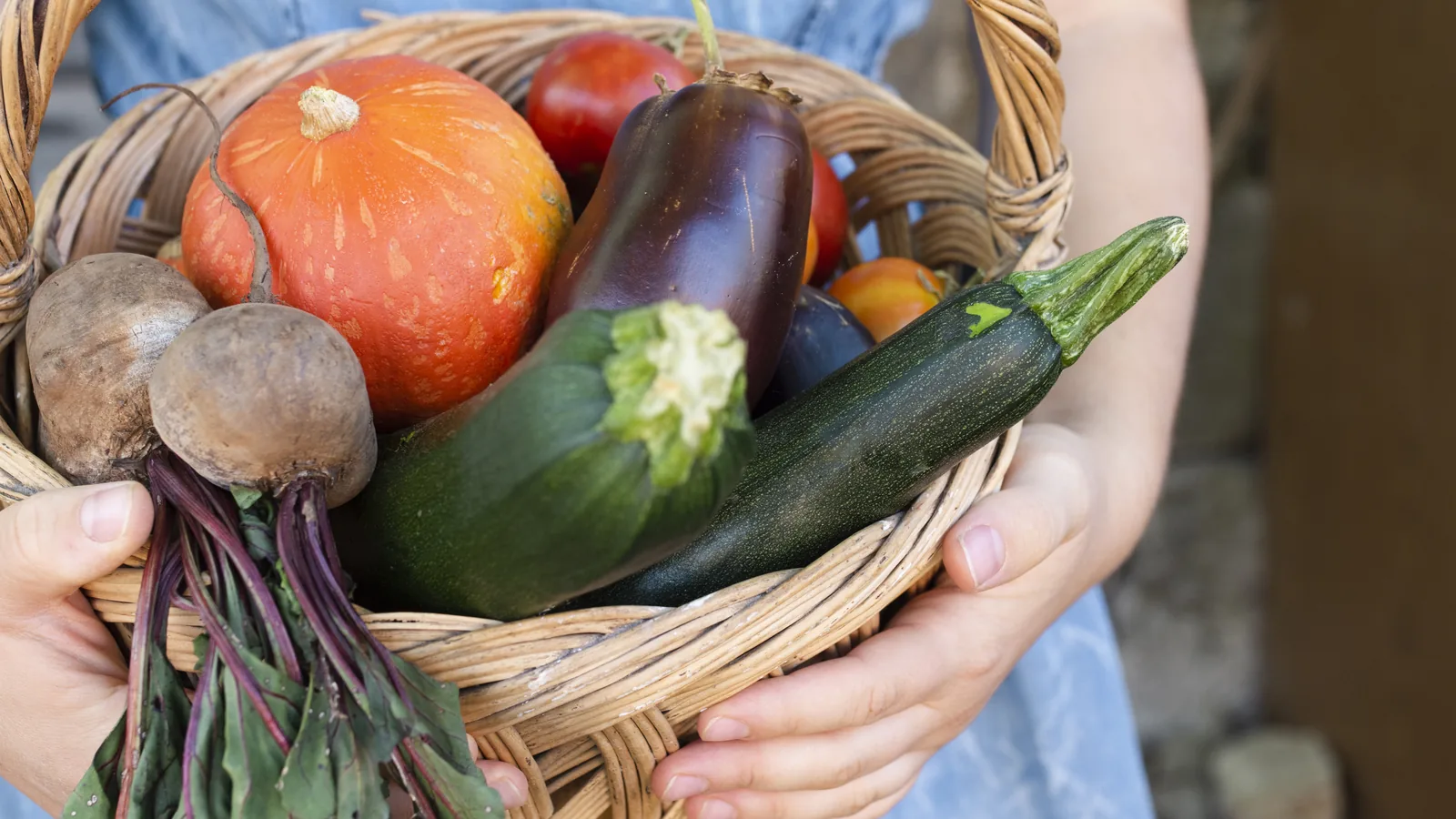 02
02
Plates, portions, fibre and protein, and the evidence behind the Mediterranean pattern.
Read the guides 03
03
Morning light, chronotypes, caffeine, screens, habits and the people around you.
Read the guides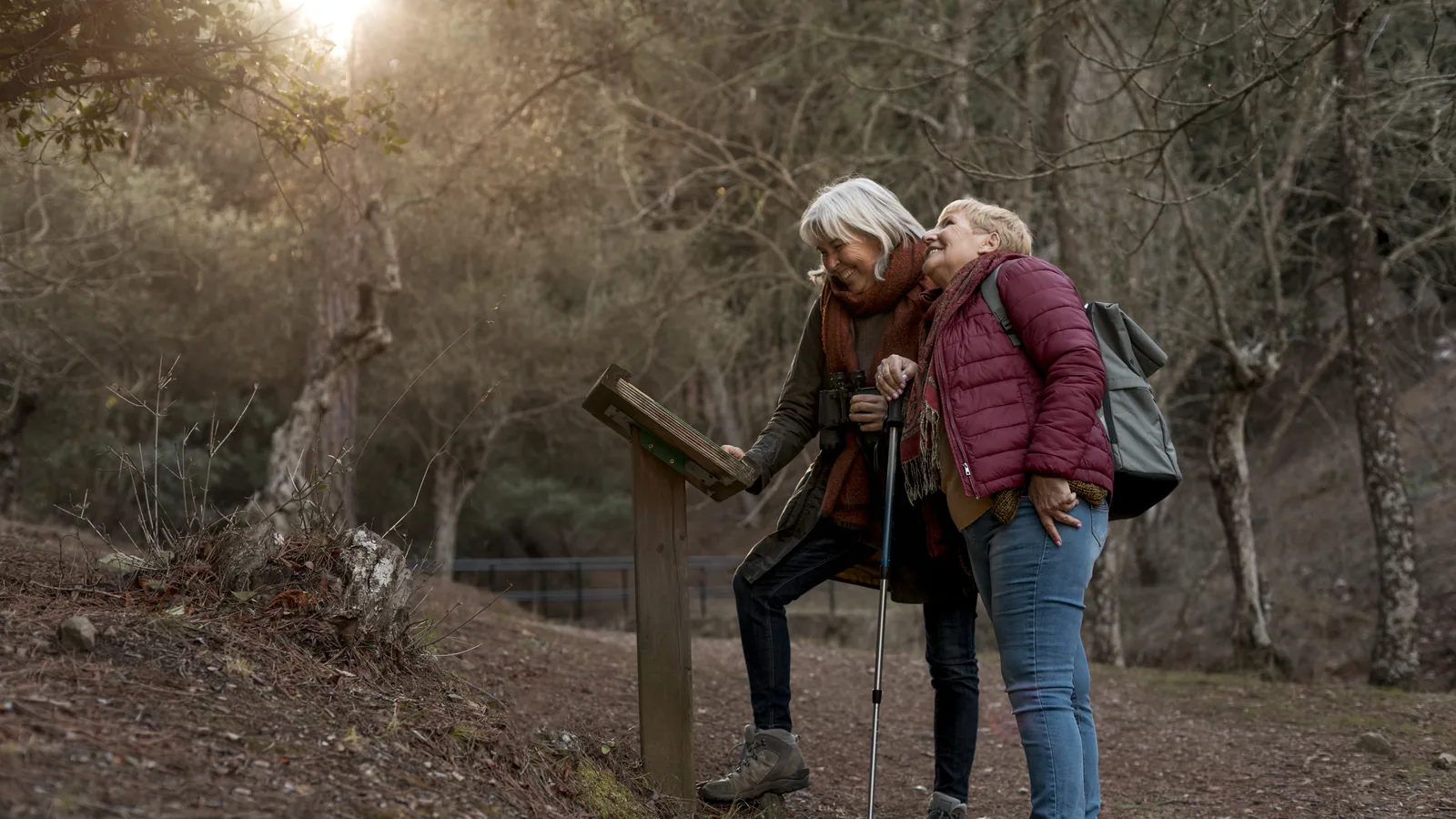 04
04
Healthspan, the longest-lived regions, VO2 max, grip strength and walking speed.
Read the guides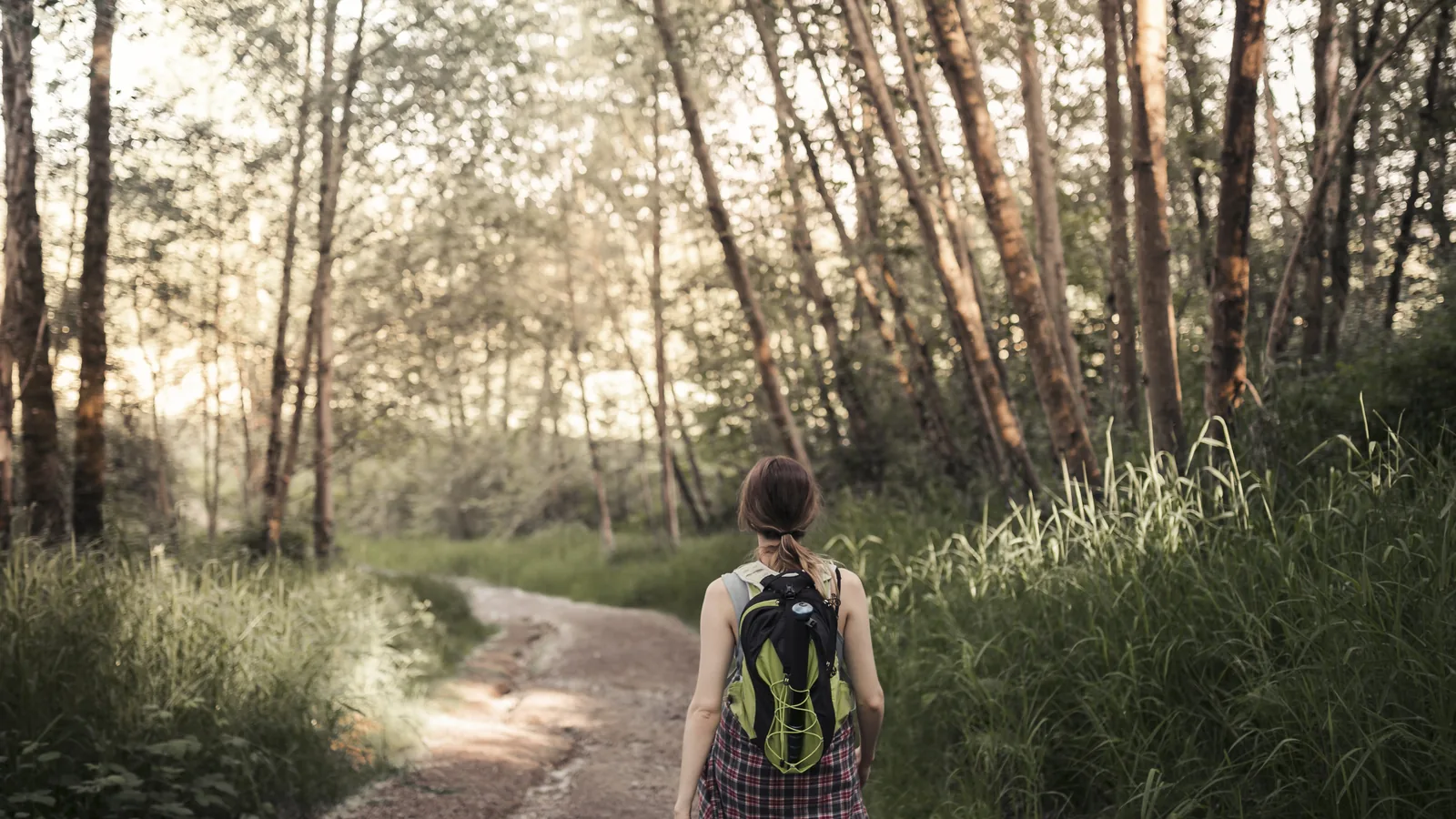 05
05
Green, water and daylight as a weekly dose, from forest walks to cold water.
Read the guidesEach tool is built around a number you can act on. When you have a result, the page draws it as a card you can download or share.
Twelve questions across movement, food, sleep, connection, stress and environment give a score from 0 to 100 with a radar chart.
Open the tool 2 min LifeEnter your birth date and see your life as a grid of weeks: the ones behind you, the ones ahead, and what to do with them.
Open the tool 3 min FoodTap portions of vegetables, fruit, whole grains, protein, fats and dairy onto a plate and see how it compares with the reference plate.
Open the tool 2 min NaturePick a month and a region and see which vegetables and fruits are in season right now, ready to share as a shopping list.
Open the tool 2 min NaturePlan your 120 minutes of nature this week across seven days and see when the dose is met.
Open the tool 3 min LifeEight questions about when you wake, focus and fade give your chronotype and a day plan drawn on a 24-hour clock.
Open the tool 2 min HealthAdd your coffees and teas with their times and see how much caffeine is still in your body at bedtime.
Open the tool 2 min HealthYour age and resting pulse give five training zones in beats per minute and the weekly minutes the guidelines ask for.
Open the tool 2 min HealthTurn steps into kilometres, minutes and energy, and see where your day lands against the thresholds from the studies.
Open the tool 2 min LongevityChoose a 12:12, 14:10 or 16:8 pattern and your first meal, and see your eating window on a 24-hour clock.
Open the tool 3 min LifePick three small habits, set a start date and tick off 30 days in the browser, with a card you can share.
Open the tool 2 min FoodYour weight, age and activity give a daily protein target in grams, a fibre target and a rough water figure, with a per-meal split.
Open the tool 1 min HealthTwo measurements with a tape give a ratio that says more about health risk than BMI, with the bands used by NICE.
Open the tool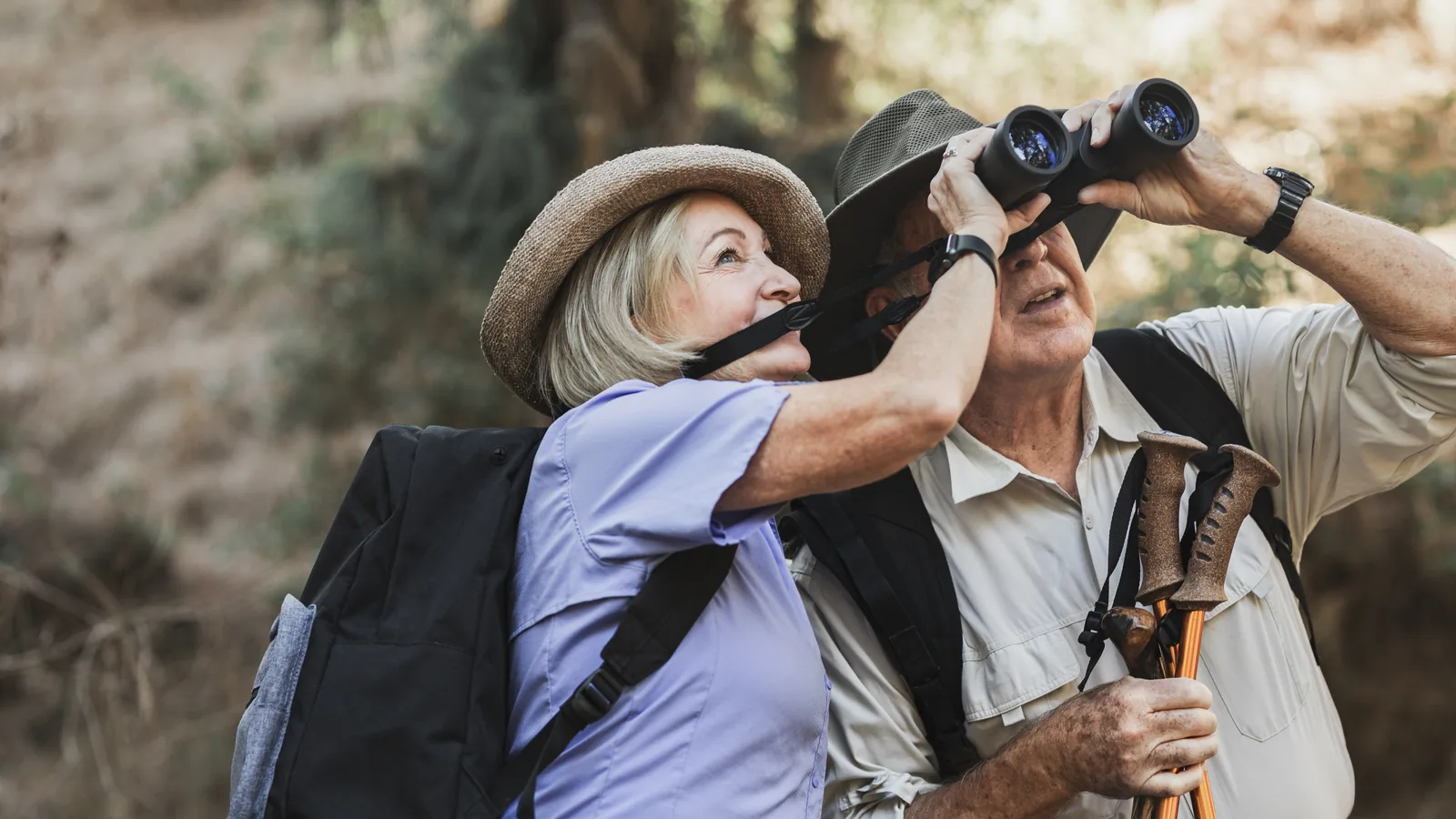
Life expectancy in the European Union is around 81 years, but the number of years lived in good health is closer to 63. The gap is where habits do their work: movement, food, sleep, connection and time outside.
The Longevity Habits Score measures those habits in twelve questions. It is not a biological age and not a prediction, it is a map of where the next healthy year is most likely to come from.
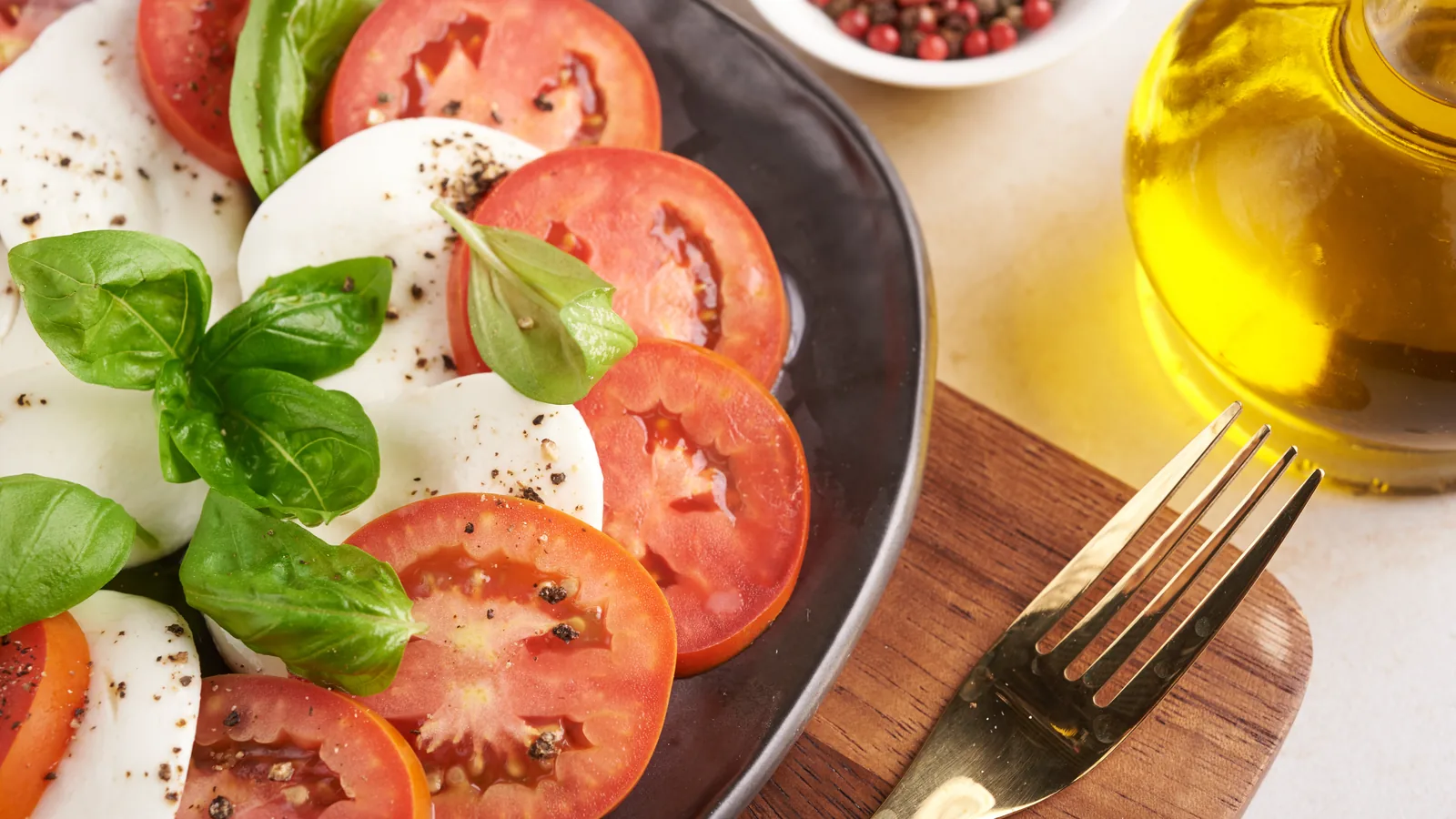
The reference plate is simple: half vegetables and fruit, a quarter whole grains, a quarter protein, oil rather than butter, water as the drink. Most people are far from it without noticing, and the fibre target of 30 grams a day is missed by roughly two thirds of adults.
The Plate Builder lets you tap portions onto a plate and compares it with the reference in real time. The Protein and Fibre Target turns your weight and age into grams.
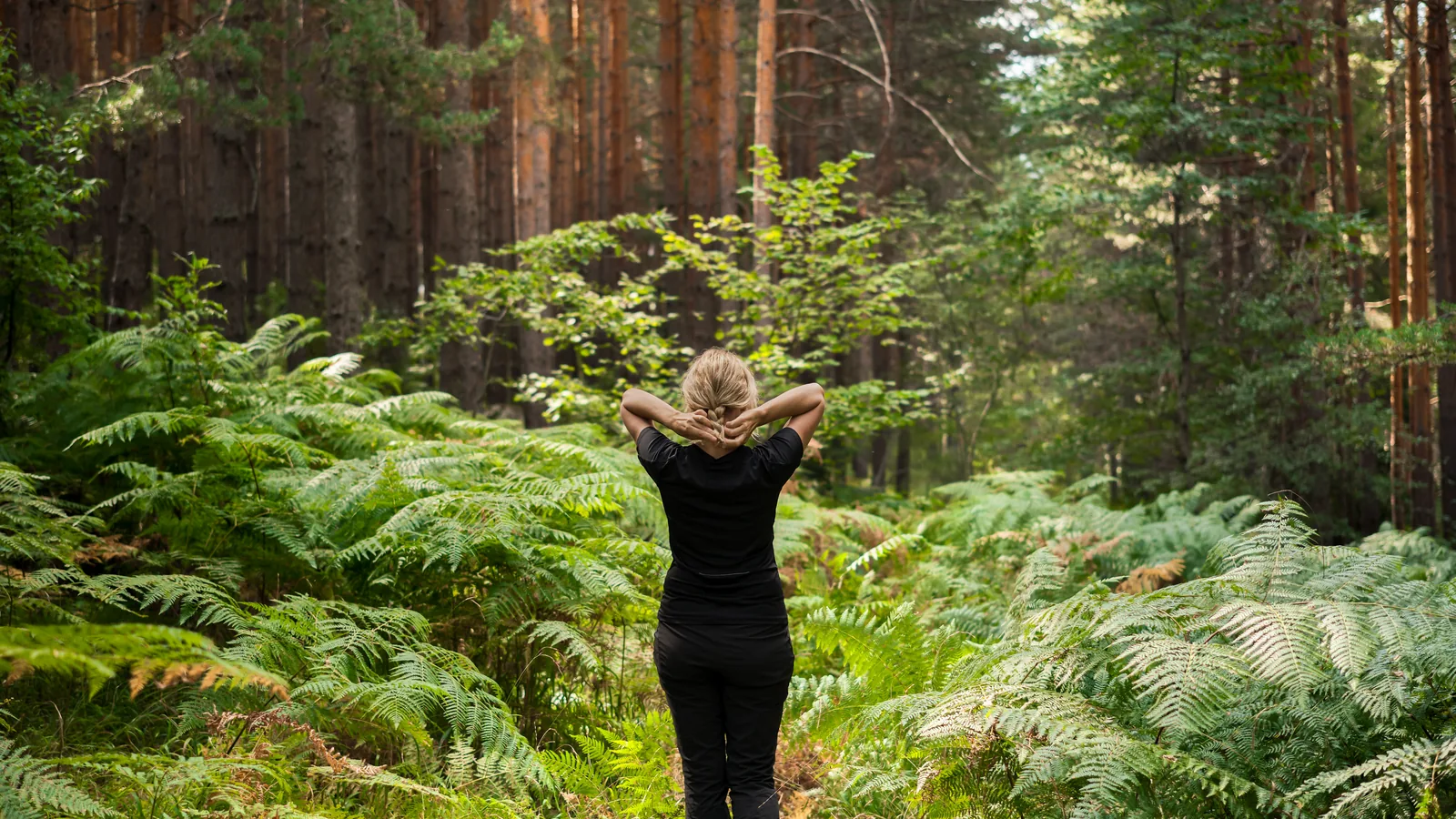
In a survey of 19,806 people in England, those who spent at least 120 minutes a week in natural surroundings were markedly more likely to report good health and high wellbeing. Below that threshold there was no measurable effect; above 200 to 300 minutes the benefit levelled off.
Parks count, gardens count, and it does not have to be exercise. The Nature Dose Planner spreads the minutes over the week and shows when the dose is met.
30 guides across five pillars. Each one answers its question in the first paragraph and names its sources.
In 19,806 adults in England, the link with good health began at 120 minutes a week in nature and peaked near 200 to 300. What counts, and ho
8 min read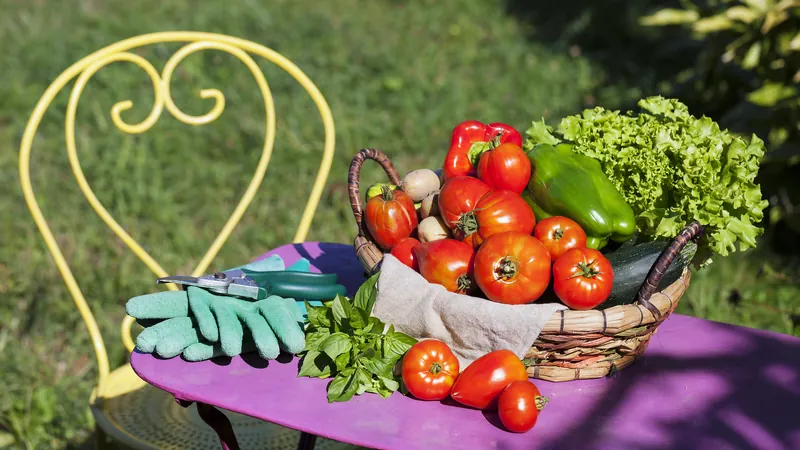
The 30 plants a week rule comes from one survey of 11,336 people. What it found, what it cannot prove, how to count, and how a week adds up.
8 min read
Systolic, diastolic, 120/80 and 140/90: what the two blood pressure numbers mean, where high begins, how to measure at home and when to see
8 min read
The NHS says no tea or coffee within 6 hours of bed. In a trial, 400 mg at 6 hours still cost more than an hour of sleep. Where to set your
8 min read
Every 5 kg less grip strength went with a 16 percent higher risk of death in 139,691 adults. Normal values by age, the 27 and 16 kg cut-offs
8 min read
Chronotypes span almost 10 hours in a survey of 53,689 people. What sets yours, why teenagers are the latest, and whether night owls should
8 min readHover or tap a card. Each number comes from a guide or a tool on this portal.
Among 19,806 adults in England, those with 120 to 179 minutes a week in nature had 1.59 times the odds of reporting good health compared with those who had none, after adjusting for 15 other factors.
Read the guideThe gasp and hyperventilation reflex peaks about 30 seconds after you enter water below 15 °C and fades over the next 2 minutes; it, not hypothermia, causes most immersion deaths.
Read the guideAmong 943,027 people born in Denmark, those who grew up with the lowest level of green space around home had up to 55% higher risk of a psychiatric disorder later in life than those with the highest.
Read the guideIn the PREDIMED trial, 7,447 adults at high cardiovascular risk assigned a Mediterranean diet with extra-virgin olive oil or nuts had about 30 percent lower risk of a heart attack, stroke or cardiovascular death over a median of 4.8 years than the reduced-fat control group. In absolute terms that is roughly 1 event fewer per 100 people.
Read the guideIn 11,989 adults aged 50 and over, sitting more than 12 hours a day, against 8 hours, went with a 38 percent higher risk of death, but only among those doing under 22 minutes of moderate to vigorous activity a day.
Read the guideThe NHS advises everyone to consider a 10 microgram (400 IU) supplement in autumn and winter, when the sun at UK latitudes is too weak for the skin to make enough. Some groups need it all year, and 100 micrograms a day is the ceiling.
Read the guideEvery 5 hours about half of the caffeine is gone, so a 95 mg mug of filter coffee at 15:00 still leaves around 31 mg in your body at 23:00.
Open the toolA 90-year life is about 4,680 weeks, and by your 40th birthday 2,087 of them are behind you.
Open the toolVitista is an editorial offer, not a clinic, not a shop and not a coaching programme. It explains, it lets you try things on yourself, and it says where the evidence ends.
No supplements, no programmes, no affiliate links. The portal earns nothing from what you decide to do.
Every text is read and signed off before publication. Whoever stands behind it is named in the legal notice.
A survey is not a trial, and a mouse is not a person. Where an effect is proven, we say so. Where it is not, we say that too.
Twelve questions, four minutes, and a card you can keep. Nothing you enter leaves your browser.