30 plants a week for the gut: where the number comes from
The 30 plants a week idea comes from one study, the American Gut Project published in 2018, in which people who reported eating more than 30 different plants a week had more diverse gut bacteria, more fibre-fermenting species and fewer genes for resistance to some antibiotics than those reporting 10 or fewer. It is an association from a citizen-science cohort of 11,336 self-selected volunteers who answered a single survey question, and the diversity comparison itself rested on 42 people at the high end and 43 at the low end, so treat 30 as a memory aid rather than a tested dose. Counted the way the survey counted, every distinct fruit, vegetable, grain, pulse, nut, seed and herb as 1, a day of 3 meals and 2 snacks can reach 21, and the week is won by swapping rather than repeating.
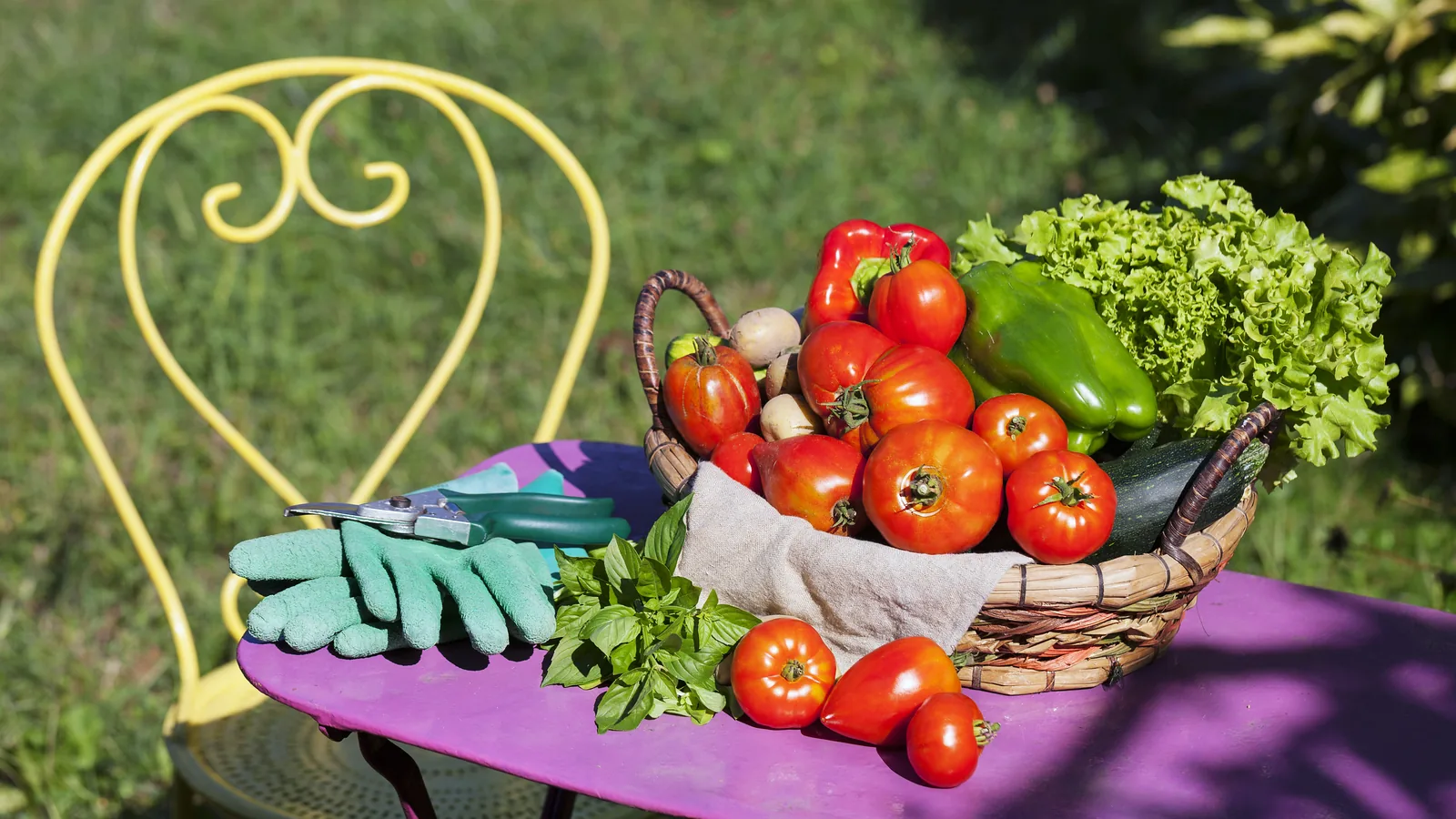
Where the number 30 comes from
The figure comes from the American Gut Project, a crowd-sourced study from the University of California San Diego published in mSystems in 2018 by McDonald and colleagues. By May 2017 it held sequence data from 15,096 samples from 11,336 people, most of them in the United States (7,860), the United Kingdom (2,518) and Australia (321), with 42 other countries. The contribution towards processing was typically 99 dollars a sample, posted at room temperature and filled in a survey. One question asked how many different plants they ate in an average week, with answer bands of fewer than 5, 6 to 10, 11 to 20, 21 to 30 and more than 30. The counting was generous: a tin of soup with carrots, potatoes and onion counted as 3 plants, and each grain in a multigrain loaf counted separately.
When the researchers compared the two ends of that scale, people reporting more than 30 different plants a week had a more diverse community of gut bacteria than those reporting 10 or fewer. The high-diversity group carried more of several bacteria thought to ferment fibre into short-chain fatty acids, among them Faecalibacterium prausnitzii and members of the genus Oscillospira, and a lower abundance of resistance genes in 3 of the 9 antibiotic classes tested, among them aminoglycosides and chloramphenicol. The authors noted, with some surprise, that the number of different plants tracked microbial diversity while the labels people gave themselves, vegan or omnivore, did not. Nobody chose 30 as a target; it was the top box on the questionnaire.
| Source | Design | People | What it says |
|---|---|---|---|
| McDonald et al. 2018, mSystems (American Gut Project) | Crowd-sourced survey with stool sequencing, observational | 11,336 participants, 15,096 samples; diversity comparison on 42 against 43 | More than 30 plants a week went with higher microbial diversity and a lower abundance in 3 of the 9 antibiotic resistance classes tested |
| Fackelmann et al. 2025, Nature Microbiology | Pooled metagenomes from 5 cohorts, cross-sectional | 21,561 (19,817 omnivores, 1,088 vegetarians, 656 vegans) | Microbes typical of vegan guts were more abundant in omnivores with a higher plant-food score, a correlation in the 3 largest cohorts |
| Wastyk et al. 2021, Cell | Randomised trial, 2 arms, 17 weeks, no control group | 39 assigned, 36 analysed, mean age 51 | Changes within each arm over time: diversity flat where fibre rose from 21.5 to 45.1 g a day, higher where fermented food reached 6.3 servings a day, with 19 of 93 inflammatory proteins lower |
| WHO fact sheet on healthy diet, 2026 | Guideline | Everyone over 10 years | At least 400 g of fruit and vegetables and at least 25 g of fibre a day |
| NHS 5 A Day portion guide | Guideline | Adults | 5 portions of 80 g; dried fruit 30 g per portion; juice and smoothies capped at 150 ml; pulses count once; potatoes do not count |
What the survey can and cannot show
This is an observational finding from a self-selected group, and the paper says so: the cohort had less smoking and obesity and higher education and income than the general population, and the authors ask that generalisation be treated with caution. Diet was self-reported, and only 14.8 percent of participants completed the validated food frequency questionnaire; the plant count came from a single survey question. The main analyses used a healthy adult subset of 3,942 people aged 20 to 69, and the head-to-head comparison of more than 30 plants against 10 or fewer, for diversity and metabolites alike, rested on 42 people at the high end and 43 at the low end; the antibiotic resistance result came from the extremes of 203 more deeply sequenced samples.
Three cautions follow. First, association is not cause: people who count more than 30 plants may also sleep, move and shop differently. Second, the comparison was the top band against the two lowest bands combined, so nothing in the data says that 25 plants is worse than 31, or that 40 beats 30. Third, a more diverse microbiome is a marker that tends to travel with good health, not a proven outcome; the study measured bacteria, not heart attacks, weight or mood. The 30 plants idea is a memory aid built on a real signal.
What larger and newer studies add
A 2025 analysis in Nature Microbiology pooled stool metagenomes from 21,561 people in 5 cohorts from the United Kingdom, the United States and Italy: 19,817 omnivores, 1,088 vegetarians and 656 vegans. Omnivores had the richest microbiomes by species count, a median of 217 to 299 species-level genome bins in the 3 largest cohorts against 201 to 269 for vegetarians and 209 to 266 for vegans. What separated the groups was which species were present, and here the plant side of an omnivore's plate mattered: the microbes that mark a vegan gut were more abundant in omnivores who scored higher on a plant-based diet index, which the authors read as a sign that omnivores could share those signatures if they ate a similar diversity of plant foods. The design was cross-sectional and the diet self-reported, so this is a correlation.
One randomised trial points the same way. Wastyk and colleagues at Stanford assigned 39 adults with a mean age of 51 to 17 weeks of either a high-fibre diet, which raised fibre intake from 21.5 to 45.1 g a day, or a diet rich in fermented foods such as yoghurt, kefir and kimchi, which went from 0.4 to 6.3 servings a day; 36 finished and were analysed, 18 per arm. The results are changes within each arm over time rather than a tested difference between the arms: diversity did not change across the fibre group in 17 weeks, while in the fermented food group it rose and 19 of 93 inflammatory proteins in blood fell. With 18 people per arm and no control group it is a small trial, but it suggests that grams of fibre are not the whole story. The guide on 30 g of fibre a day covers the gram side of the same habit.
| Meal | Plants on the plate | Count |
|---|---|---|
| Breakfast | Oats, banana, walnuts, chia seeds, cinnamon | 5 |
| Lunch | Lentils, carrot, onion, celery, tomato, thyme, wholemeal wheat bread | 7 |
| Dinner | Chickpeas, spinach, garlic, ginger, cumin, brown rice | 6 |
| Snacks and drinks | Apple, pear, peppermint tea | 3 |
| Day total | Repeat it unchanged and the week still scores the same | 21 |
| Next day swaps | Rye for oats, black beans for lentils, kale for spinach, orange for apple | +4 |
How to count, and how a week adds up
Count the way the survey did: every distinct fruit, vegetable, whole grain, pulse, nut, seed and herb is 1, however small the portion, and the same plant eaten every day is still 1 for the week. WHO asks everyone over 10 years old for at least 400 g of fruit and vegetables a day and at least 25 g of fibre; the NHS makes the first figure 5 portions of 80 g and caps juice and smoothies at 150 ml a day. Diversity and quantity are different dials.
Porridge oats with a banana, walnuts, chia seeds and cinnamon is 5 before you leave the house, a lentil soup with carrot, onion, celery, tomato and thyme plus 2 slices of wholemeal bread adds 7, and a chickpea and spinach curry with garlic, ginger and cumin over brown rice adds 6. An apple, a pear and a peppermint tea bring the day to 21. Repeat that day unchanged and the week still stands at 21, which is the catch: the score rewards swapping, so the next day needs rye for oats, black beans for lentils, kale for spinach. Frozen, tinned and dried all count; the NHS treats 30 g of dried fruit as a portion and tinned pulses as pulses. The Seasonal Basket shows what is in season in your region, which keeps the rotation cheap.
Who should go slowly, and when to ask first
Thirty different plants is a variety target, not a volume target, and for most healthy adults the only cost is a week or two of extra gas while the gut adjusts. Build up over 3 to 4 weeks, drink more water as fibre rises, and treat a change in bowel habit lasting more than 3 weeks, blood in the stool or unexplained weight loss as a reason to see a doctor, not to add more plants.
Some readers should ask first. If you have irritable bowel syndrome, onion, garlic, pulses, apples and pears are common triggers, and a dietitian can help you reach variety with plants that suit you. With inflammatory bowel disease, diverticular disease or a narrowed bowel, the type and texture of plants matter more than the count. With chronic kidney disease, many of the foods that lift the score fastest (pulses, nuts, seeds, dried fruit, potatoes) are rich in potassium and phosphorus, so ask before adding them. If you take insulin or another glucose-lowering medicine, a jump in fruit, dried fruit and whole grains can change your blood glucose after meals, so monitor and tell your care team. If you take warfarin, keep green leafy vegetables steady from week to week rather than swinging, and mention big changes to your anticoagulant clinic. In pregnancy, more variety is welcome; wash produce well and choose pasteurised dairy. Anyone with a nut or seed allergy leaves those groups out, anyone under 18 follows the children's portion guidance, and anyone recovering from an eating disorder should not turn meals into a score at all.
Swaps that lift the count without extra meals
- Buy mixed: a mixed seed jar, a mixed bean tin or a bag of mixed leaves each adds 3 to 5 plants
- Rotate the grain: oats, rye, barley, brown rice and quinoa across the week is 5 for the same porridge or pilaf
- Change the pulse each time: lentils, chickpeas, black beans, kidney beans, peas
- Frozen counts: a bag of mixed frozen vegetables is 3 or 4 plants at the price of 1
- Herbs and spices count as 1 each, but do not rely on them for fibre
- Build up over 3 to 4 weeks and drink more water as fibre rises
- With IBS, IBD, kidney disease, glucose-lowering medication or warfarin, agree the plan with your doctor or dietitian first
Frequently asked
Do herbs and spices count towards 30 plants?
The survey asked only how many different plants you eat in an average week, with no exception for herbs, so a herb counts as 1. The quarter-point rule for herbs and spices that circulates online is a later convention and was not part of the study. A pinch of thyme adds a plant to the count but almost no fibre, so do not lean on spices to get there.
Does the same plant eaten twice count twice?
No. The question asked how many different plants you eat in an average week, so an apple every day is 1 for the week. The count rewards variety, which is why swapping oats for rye or lentils for beans on alternate days moves it faster than eating more of the same.
Do potatoes count?
For the 30 plants count, yes: the survey's own example counted the potatoes in a tin of soup. For the NHS 5 A Day, no, because potatoes are classed as a starchy food rather than a vegetable. The two systems measure different things.
Is 30 a tested dose or a rule of thumb?
A rule of thumb. The survey offered answer bands of fewer than 5, 6 to 10, 11 to 20, 21 to 30 and more than 30, and the analysis compared the top band with the two lowest bands combined. Nothing in the data shows that 28 is worse than 32, and no trial has tested 30 against a lower number.
I have IBS. Is 30 plants a bad idea?
Not necessarily, but some of the fastest scorers, such as onion, garlic, pulses, apples and pears, are common IBS triggers. A dietitian can help you build variety from plants you tolerate, and going up slowly over 3 to 4 weeks matters more than the final number.
Do frozen, tinned and dried plants count?
Yes. The NHS counts frozen and tinned fruit and vegetables at the same portion size as fresh, 30 g of dried fruit as a portion, and tinned pulses as pulses. A bag of mixed frozen vegetables is one of the cheapest ways to add 3 or 4 plants in one go.
Sources
- McDonald et al. 2018, mSystems: American Gut, an open platform for microbiome research · 15,096 samples from 11,336 participants by May 2017; healthy adult subset of 3,942; the survey question, its answer bands of fewer than 5 to more than 30 and the soup and multigrain counting example are in the paper and in Text S1, the survey as presented to participants; the top band was compared with the two lowest merged; molecular and 16S alpha diversity compared on 42 high against 43 low within the plant cohort of 219 metabolomics samples; antibiotic resistance classes tested on the extremes of 203 shotgun samples; self-selection and 14.8 percent FFQ completion stated by the authors; full text on PubMed Central
- Fackelmann et al. 2025, Nature Microbiology: Gut microbiome signatures of vegan, vegetarian and omnivore diets and associated health outcomes across 21,561 individuals · 5 cohorts, 19,817 omnivores, 1,088 vegetarians, 656 vegans; median observed richness 217 to 299, 201 to 269 and 209 to 266 species-level genome bins, reported for the 3 largest cohorts; vegan signature microbes enriched in omnivores eating more plant foods, from which the authors conclude that omnivores could share those signatures if they ate a similar diversity of plant foods; open access, also on PubMed Central as PMC11726441
- Wastyk et al. 2021, Cell: Gut-microbiota-targeted diets modulate human immune status · 39 assigned (37 randomised), 36 analysed, 18 per arm, mean age 51, 17-week protocol; fibre 21.5 to 45.1 g a day, fermented food 0.4 to 6.3 servings a day; no cohort-wide rise in alpha diversity on the high-fibre diet; 19 of 93 inflammatory proteins fell in the fermented food arm; the authors state there was no control arm and that they relied on within-participant comparisons over time; trial NCT03275662; full text on PubMed Central
- World Health Organization: Healthy diet, fact sheet · Fact sheet dated 26 January 2026; at least 400 g of fruit and vegetables and at least 25 g of naturally occurring fibre a day for everyone over 10 years
- NHS: 5 A Day portion sizes · Adult portion 80 g; dried fruit about 30 g; juice, vegetable juice and smoothies no more than 150 ml a day combined; beans and pulses count as a maximum of 1 portion; potatoes do not count; frozen and tinned count at the fresh portion size
Read on
 Food
30 grams of fibre a day: where the number comes from
 Food
The Mediterranean diet: what the evidence says
 Food
Ultra-processed food: how to recognise it
Tools that fit
This guide is for general information. It does not replace medical advice or an examination.