Ultra-processed food: how to recognise it
Turn the pack over and read the ingredient list: under the NOVA classification, a product counts as ultra-processed if that list contains at least 1 substance never or rarely used in a home kitchen (maltodextrin, hydrolysed protein, hydrogenated oil, high-fructose corn syrup) or at least 1 cosmetic additive (flavours, colours, emulsifiers, sweeteners, thickeners), and 1 marker is enough. Across 36 countries such products supply between 9 and 60 percent of dietary energy, and more than 50 percent in the UK and the USA. In a 2019 inpatient trial of 20 adults, meals matched for presented calories, sugar, fat, fibre and salt still led to 508 kcal more eaten a day and 0.9 kg of weight gain in 2 weeks.
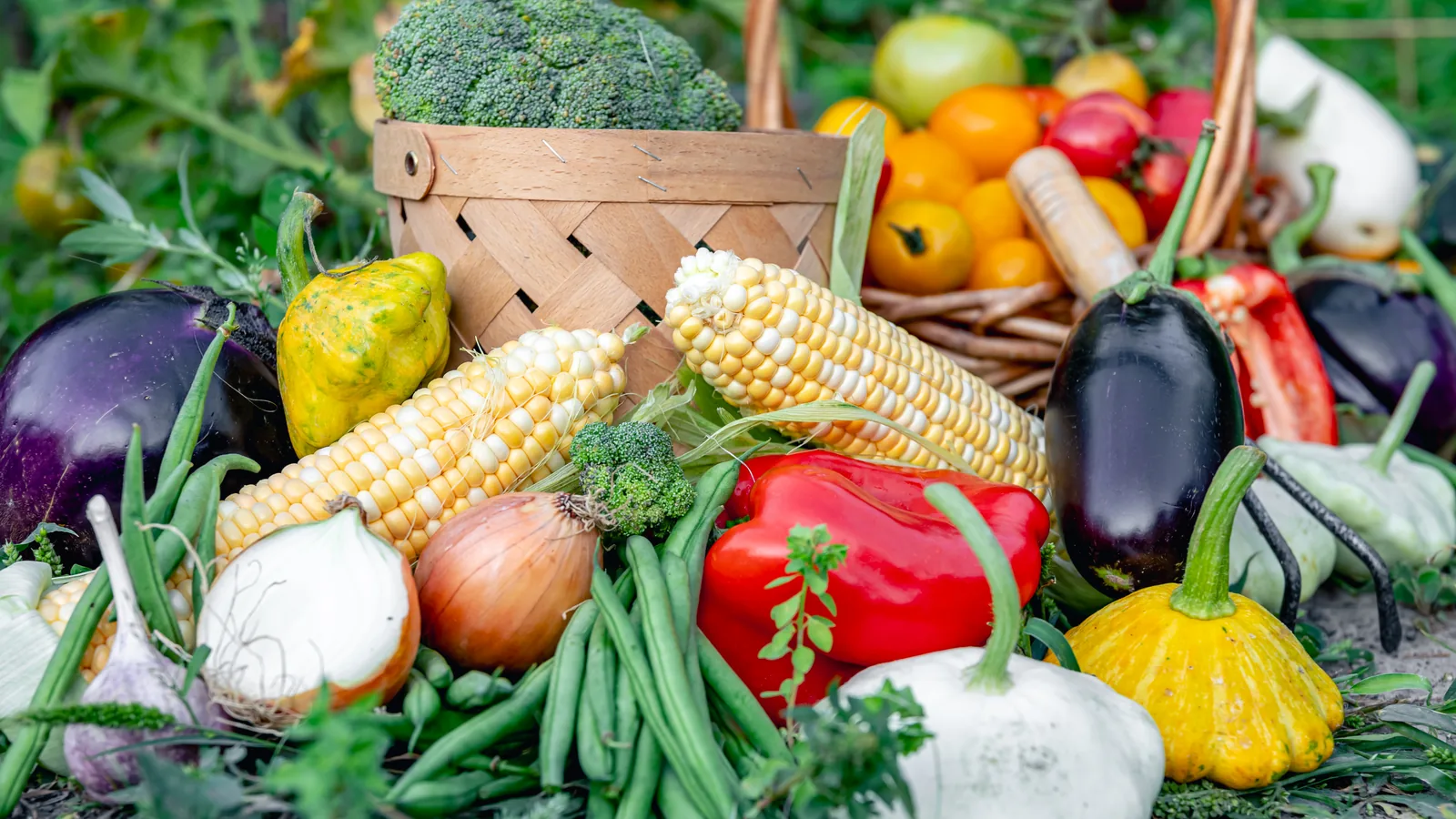
What ultra-processed means, and what it does not
The term comes from the NOVA classification, developed by Carlos Monteiro's group at the University of Sao Paulo and first proposed in 2009. NOVA ignores nutrients and sorts foods into 4 groups by the extent and purpose of processing: group 1 is unprocessed or minimally processed food, group 2 is culinary ingredients such as oils, sugar and salt, and group 3 is group 1 plus group 2 in usually 2 or 3 ingredients, such as tinned pulses, cheese or simple bread.
Group 4 is the ultra-processed group. The 2019 definition paper in Public Health Nutrition describes these products as formulations of ingredients, mostly of exclusive industrial use, that result from a series of industrial processes. Whole foods are split into sugars, oils, starches and proteins, the parts are assembled by techniques such as extrusion and moulding, and cosmetic additives make the result look, smell and taste appealing. The purpose matters as much as the method: these products replace dishes and meals rather than being cooked into them.
| Outcome | Pooled estimate | 95 percent confidence interval | Evidence class | GRADE quality |
|---|---|---|---|---|
| Cardiovascular disease death | Risk ratio 1.50 | 1.37 to 1.63 | Convincing | Very low |
| Type 2 diabetes (dose-response) | Risk ratio 1.12 | 1.11 to 1.13 | Convincing | Moderate |
| Anxiety | Odds ratio 1.48 | 1.37 to 1.59 | Convincing | Low |
| Common mental disorders combined | Odds ratio 1.53 | 1.43 to 1.63 | Convincing | Low |
| Death from any cause | Risk ratio 1.21 | 1.15 to 1.27 | Highly suggestive | Low |
| Heart disease death | Hazard ratio 1.66 | 1.51 to 1.84 | Highly suggestive | Low |
| Depression | Hazard ratio 1.22 | 1.16 to 1.28 | Highly suggestive | Low |
| Obesity | Odds ratio 1.55 | 1.36 to 1.77 | Highly suggestive | Low |
| Adverse sleep outcomes | Odds ratio 1.41 | 1.24 to 1.61 | Highly suggestive | Low |
How to recognise it on the ingredient list
The front of the pack tells you nothing about processing; claims such as high in fibre or no added sugar appear on group 4 products all the time. The 2019 paper gives a practical rule instead: a product is ultra-processed if its ingredient list contains at least 1 item characteristic of the group, and there are 2 kinds of marker.
The first kind is a food substance never or rarely used in home kitchens: fructose, high-fructose corn syrup, invert sugar, maltodextrin and dextrose among the sugars; hydrogenated or interesterified oils among the fats; hydrolysed proteins, soya protein isolate, casein, whey protein and mechanically separated meat among the proteins. The second kind is a cosmetic additive, one whose job is to make the product palatable rather than to keep it safe: flavours, flavour enhancers, colours, emulsifiers, sweeteners, thickeners, and various bulking, gelling and glazing agents. Preservatives and antioxidants on their own are not on that list, because group 3 foods use them too.
The number of ingredients is not the test: a 3-ingredient product with an emulsifier is group 4, a stew with 12 ingredients from your own kitchen is not, and 2 loaves side by side can sit in different groups depending on whether the list stops at flour, water, yeast and salt or adds an emulsifier.
How much of the diet it has become
There is no single global figure. The 2025 Lancet Series analysed national food intake surveys from 36 countries, all using NOVA, and found the average dietary share of group 4 running from 9 percent of energy in Iran to 60 percent in the USA. It stays below 25 percent in Italy, Greece, Portugal, Cyprus, Taiwan and South Korea, passes 40 percent in Australia and Canada, and passes 50 percent in the UK and the USA. The 2025 trial described below recruited adults in England whose habitual diet was at least 50 percent group 4 by calories.
The same three-part Series, published on 18 November 2025, tracked the change over time, mostly in household food purchases rather than measured intake. On that measure the group 4 share nearly tripled in Spain over 3 decades (11.0 to 31.7 percent) and in China (3.5 to 10.4 percent), rose from 10 to 23 percent in Mexico and Brazil over 4 decades, and more than doubled in Canada over 8 decades (24.4 to 54.9 percent). In the USA and the UK it was already above 50 percent and rose only slightly over 2 decades.
| Group | What it is | Typical examples | How to spot it |
|---|---|---|---|
| 1 Unprocessed or minimally processed | Whole foods, possibly dried, frozen, ground or pasteurised, nothing added | Vegetables, fruit, pulses, grains, flour, meat, fish, eggs, milk, plain yoghurt, nuts | Ingredient list is the food itself |
| 2 Processed culinary ingredients | Substances pressed, refined or extracted from group 1 foods or from nature | Oils, butter, lard, sugar, honey, starch, salt | Used to cook group 1, rarely eaten alone |
| 3 Processed foods | Group 1 plus group 2, often 2 or 3 ingredients, preserved by canning, salting, fermenting or baking | Tinned beans, tinned fish, cheese, salted nuts, cured meat, simple bread | Short list of recognisable foods; a preservative alone does not move it to group 4 |
| 4 Ultra-processed foods | Industrial formulations of extracted and modified substances with cosmetic additives | Soft drinks, packaged snacks, sweets, ice cream, packaged breads, breakfast cereals, nuggets, instant noodles | At least 1 kitchen-alien substance or 1 cosmetic additive on the list |
What controlled trials show
Feeding trials answer what cohort studies cannot: what happens when the same people eat both kinds of food. In 2019, researchers at the US National Institutes of Health kept 20 weight-stable adults (10 men, 10 women, mean age 31, mean BMI 27) on a metabolic ward for 28 days, 2 weeks on an ultra-processed diet and 2 weeks on an unprocessed diet in random order. The menus presented were matched for calories, energy density, macronutrients, sugar, sodium and fibre, and participants then ate as much or as little as they wanted; 83.5 percent of the energy in the ultra-processed meals came from group 4 products, 81.3 percent once the snacks are counted, against none at all on the unprocessed diet.
Energy intake was 508 kcal a day higher on the ultra-processed diet, about 280 kcal from carbohydrate and 230 kcal from fat, spread over breakfast (144 kcal), lunch (248 kcal) and dinner (108 kcal). Participants gained 0.9 kg in 2 weeks on the ultra-processed menu and lost 0.9 kg on the unprocessed one, and they ate faster, by 17 kcal a minute. The limits are clear: 20 people, 4 weeks, an inpatient setting, and unprocessed meals that cost 151 dollars a week against 106 dollars.
In 2025, a team at University College London tested the question in people's homes. Fifty-five adults with a BMI of 25 to under 40 and at least 50 percent of habitual calories from ultra-processed food were randomised to 2 diets of 8 weeks each, separated by a 4-week washout, with all food delivered. Both diets met the UK Eatwell Guide, so the ultra-processed menu was, on paper, a healthy one. In the 50 participants analysed, weight fell by 2.06 percent on the minimally processed diet and by 1.05 percent on the ultra-processed diet. The gap the trial was designed to test came to 1.01 percentage points (95 percent confidence interval 0.14 to 1.87, p = 0.024). Fat mass fell by 1.59 kg against 0.61 kg, a difference of 0.98 kg (p = 0.004), and control over cravings improved more on the minimally processed diet. Adherence was self-reported at 84.5 and 91.2 percent, people with dietary restrictions were excluded, and 8 weeks says nothing about years.
What the cohorts add, and where the evidence stops
The broadest summary of the observational evidence is a 2024 umbrella review in The BMJ, which went through 14 meta-analyses containing 45 distinct pooled analyses and 9,888,373 participants. Higher exposure was directly associated with 32 of the 45 outcomes examined (71 percent). Four associations were graded convincing: cardiovascular death (risk ratio 1.50), type 2 diabetes in dose-response analyses (1.12 per step of intake), anxiety (odds ratio 1.48) and common mental disorders combined (1.53). Seven more were highly suggestive, including all-cause mortality (1.21) and obesity (1.55). Thirteen pooled analyses showed no evidence of an association.
The same review is candid about quality: under the GRADE framework, 22 of the 45 analyses were rated low, 19 very low and only 4 moderate. Cohort studies show that people who eat more ultra-processed food fare worse, not that the processing is the cause; intake was measured with questionnaires designed before NOVA existed, and heavy consumers differ in income, smoking, activity and overall diet. The 2025 Lancet Series ran its own systematic review of 104 prospective studies, of which 92 reported a higher risk of at least 1 chronic disease outcome, and its meta-analyses found significant associations for 12 of 15 outcomes. Its authors argue that this meets 7 of the 9 Bradford Hill criteria for causation, and the same paper lists the standing critiques: few long-term trials, mechanisms not yet fully established, and subgroups within group 4 that differ in nutritional value.
So treat the label test as a way of shifting the balance, not a rule that forbids foods. With a history of an eating disorder, be cautious with any system that sorts food into good and bad, and talk to your care team first. If you take insulin or other glucose-lowering medication, swapping cereals and packaged snacks for whole foods changes how much carbohydrate you eat and when, so monitor your blood glucose. With chronic kidney disease, ask your renal dietitian about phosphate additives in processed meats and colas. Children under 18 need energy to grow and pregnancy is no time for restriction, so aim for more cooked meals rather than fewer packets. The Plate Builder helps build a group 1 to 3 meal, and the guides on 30 g of fibre and 30 plants a week cover what replaces the packets.
Seven checks at the shelf
- Ignore the front of the pack and read the ingredient list
- Look for substances you would never buy for your kitchen: maltodextrin, dextrose, invert sugar, high-fructose corn syrup, hydrogenated oil, hydrolysed protein, protein isolate
- Look for cosmetic additives: flavours, flavour enhancers, colours, emulsifiers, sweeteners, thickeners, glazing or bulking agents
- One marker is enough to make it group 4; the number of ingredients is not the test
- Do not confuse processed with ultra-processed: tinned pulses, frozen vegetables, cheese, plain yoghurt and simple bread are groups 1 to 3
- Start with the biggest contributors in your week, usually soft drinks, packaged snacks and breakfast cereals, and replace them 1 at a time
- With an eating disorder history, diabetes medication or kidney disease, agree the changes with your care team first
Frequently asked
Is processed food the same as ultra-processed food?
No. NOVA group 3, processed food, is a whole food with salt, sugar or oil added and preserved by canning, salting, fermenting or baking, such as tinned beans, cheese or a loaf made from flour, water, yeast and salt. Group 4 products are industrial formulations built from extracted substances and cosmetic additives, and only that group is called ultra-processed.
Is supermarket bread ultra-processed?
It depends on the list. Mass-produced packaged bread with emulsifiers is a typical group 4 product in the 2019 NOVA paper, while a loaf whose ingredients stop at flour, water, yeast and salt is group 3. Two loaves on the same shelf can sit in different groups.
Does the number of ingredients decide?
No. NOVA looks at the type of ingredient, not the count: a 3-ingredient product with an emulsifier or a sweetener is group 4, and a home-cooked dish with 12 ingredients is not. The practical test is whether at least 1 kitchen-alien substance or cosmetic additive appears on the list.
Why did people in the 2025 trial still lose weight on the ultra-processed diet?
Because that diet was built to meet the UK Eatwell Guide, with more fibre and less salt, sugar and saturated fat than the participants' usual food, in which ultra-processed products supplied 67.4 percent of calories on average. They lost 1.05 percent of body weight in 8 weeks on it, and 2.06 percent on the minimally processed version of the same guidance.
Do I have to cut ultra-processed food out completely?
The evidence does not say so. The 2019 inpatient trial compared 81.3 percent of energy from group 4 against none at all, an extreme most people will never live at, and the 2025 trial showed a benefit from moving a habit of 50 percent or more down, not to zero. Replacing the largest contributors, typically soft drinks, snacks and breakfast cereals, moves the share the most.
Are the additives themselves the danger?
Not necessarily. Additives permitted in the EU and the UK are evaluated individually for safety, and the 2019 trial produced 508 kcal a day of overeating with menus matched for sugar, fat, salt and fibre, which points to energy density, soft texture and eating speed as much as to any single additive. The mechanisms are still being worked out, and the 2025 Lancet Series says so.
Sources
- Monteiro et al. 2019, Public Health Nutrition: Ultra-processed foods, what they are and how to identify them · NOVA definition, the 4 groups, the list of marker substances and cosmetic additives, typical products, over 50 percent of energy in the USA, Canada and the UK and 20 to 33 percent in Brazil, Mexico and Chile; full text read
- Hall et al. 2019, Cell Metabolism: Ultra-processed diets cause excess calorie intake and weight gain, an inpatient randomized controlled trial of ad libitum food intake · 20 adults, 28 days on a metabolic ward, 2 weeks per diet, meals matched for presented calories and nutrients, intake ad libitum; 508 kcal a day more and 0.9 kg gained on the ultra-processed diet, 0.9 kg lost on the unprocessed diet; 83.5 percent of meal energy from ultra-processed food, 81.3 percent including snacks; eating rate 17 kcal and 7.4 g a minute faster; costs 106 and 151 dollars a week; author manuscript read on PubMed Central
- Dicken et al. 2025, Nature Medicine: Ultraprocessed or minimally processed diets following healthy dietary guidelines on weight and cardiometabolic health, a randomized, crossover trial · 55 adults randomised, 50 analysed, 8 weeks per diet, 4-week washout, both diets following the UK Eatwell Guide; weight change minus 2.06 percent on minimally processed and minus 1.05 percent on ultra-processed food, between-diet difference 1.01 percentage points (95 percent CI 0.14 to 1.87, p = 0.024); fat mass minus 1.59 against minus 0.61 kg, difference 0.98 kg (p = 0.004); mean habitual ultra-processed intake 67.4 percent of calories; adherence 84.5 and 91.2 percent; open-access text read
- Lane et al. 2024, The BMJ: Ultra-processed food exposure and adverse health outcomes, umbrella review of epidemiological meta-analyses · 45 pooled analyses, 9,888,373 participants, searches 2009 to June 2023; associations for 32 of 45 outcomes; the risk ratios, odds ratios and hazard ratios in the table; GRADE 22 low, 19 very low, 4 moderate; abstract and results read
- Monteiro et al. 2025, The Lancet: Ultra-processed foods and human health, the main thesis and the evidence (Lancet Series, paper 1) · Published 18 November 2025, full text read; dietary share across 36 countries from 9 percent (Iran) to 60 percent (USA), above 40 percent in Australia and Canada and above 50 percent in the UK and the USA; household purchase trends for Spain (11.0 to 31.7 percent), China (3.5 to 10.4), Mexico and Brazil (10 to 23), Canada (24.4 to 54.9); systematic review of 104 prospective studies with 92 reporting higher risk and significant meta-analysed associations for 12 of 15 outcomes; the panel of critiques of NOVA
Read on
 Food
30 grams of fibre a day: where the number comes from
Food
30 grams of fibre a day: where the number comes from
 Food
30 plants a week for the gut: where the number comes from
Food
30 plants a week for the gut: where the number comes from
 Food
Sugar: the daily limit in numbers
Food
Sugar: the daily limit in numbersTools that fit
This guide is for general information. It does not replace medical advice or an examination.